Many clinics advertise zirconia crowns as “100% metal-free.”
That is not completely accurate.
Zirconia crowns do not contain harmful metals like nickel or chromium. But scientifically, zirconium itself is a metal element.
So why are they still called metal-free? This page explains the truth — simply and honestly.
At Center for Dental Implants & Esthetics, Gurgaon, this is one of the most common questions patients ask before choosing a crown. Our prosthodontist, Dr. Jyoti Singh, gets it in almost every crown consultation — and the answer deserves more than a quick yes or no.
So — Is Zirconia Actually Metal-Free?
Short answer: not technically, but yes practically.
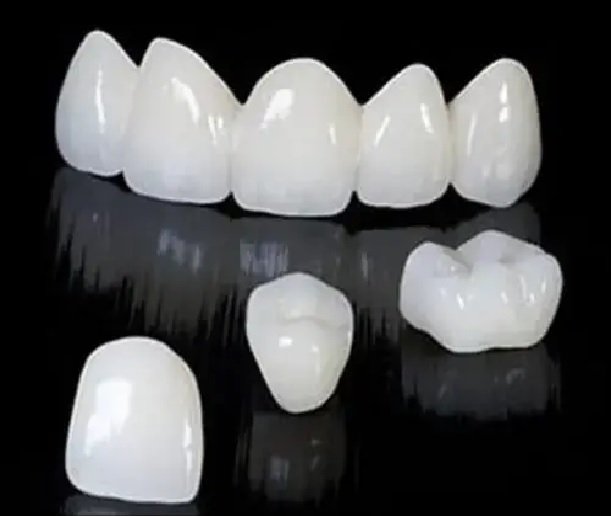
Zirconia (zirconium dioxide) is a ceramic material made from zirconium — a metal element. But the finished crown you wear is a ceramic oxide. The metallic properties are gone. It doesn’t corrode, doesn’t leach, and doesn’t trigger the reactions that metals like nickel or cobalt do.
Zirconia crowns are called “metal-free” because they do not contain harmful dental metals like nickel or chromium — even though zirconium itself originates from a metal element. The crown material is a ceramic, not a metal.
- ✓ No nickel, cobalt, or chromium — the metals responsible for most dental allergy reactions
- ✓ Biocompatible ceramic — your body treats it like porcelain, not metal
- ✓ No corrosion, no metallic taste — ever
- ✗ Not 100% metal-free in the strict scientific sense — zirconium is a metal element, even though the crown is a ceramic
- ✓ “Metal-free” in clinical use means no harmful metal exposure — and that’s what actually matters for your health
How Zirconia Is Made — Simplified
Why the “Metal-Free” Label Creates Confusion
The term came from marketing, not science. It was coined to distinguish zirconia from PFM (porcelain-fused-to-metal) crowns, which have a visible metal base. That comparison is fair — zirconia is genuinely better. But “100% metal-free” overstates things.
Here’s how the confusion plays out:
- Patient asks: “Is this crown completely metal-free?” — meaning, is it safe?
- Dentist says: “Yes, 100% metal-free!” — meaning, no harmful metals
- Both satisfied — but talking about different things
Scientifically, zirconium starts as a metal element. But once converted into zirconia ceramic, it behaves completely differently inside the mouth. No corrosion. No sensitivity. No reaction.
“Metal-free” in dentistry is a clinical category, not a chemistry statement. It means the crown is free from harmful metals — nickel, cobalt, and chromium — not that it contains zero elements that appear on the periodic table as metals.
3 Common Myths About Zirconia Crowns
Zirconia is completely metal-free in every scientific sense.
The crown is a ceramic. Zirconium is the source element, but no harmful metallic properties remain after processing.
Zirconia is always the best choice for every patient and every tooth.
Zirconia is excellent for most cases — but the right crown depends on tooth position, available space, and bite forces.
All zirconia crowns look the same — it’s just the material that matters.
The result depends heavily on the lab, crown preparation, and shade matching. A cheap zirconia crown from a poor lab can look worse than a well-made PFM.
“I’ve seen patients decline perfectly good crowns because another clinic told them ‘that crown has metal in it.’ It’s created real confusion. The honest answer is: zirconia won’t harm you. It’s one of the most biocompatible materials we have. But our job is to explain that — not just repeat marketing language.”Dr. Jyoti Singh — MDS Prosthodontist, Maulana Azad Institute of Dental Sciences · 17+ years, 10,000+ implants placed in Gurgaon
Not All Zirconia Crowns Are Equal
This is where most patients get misled. The conversation focuses on “metal-free vs metal” — and nobody mentions that zirconia quality varies enormously between clinics.
- Poor translucency — crowns look flat and opaque, obviously artificial
- Over-contoured shape — bulky, uncomfortable, hard to clean
- Improper polishing — rough surface wears the opposing tooth faster
- Colour mismatch — shade doesn’t match your adjacent teeth
- Lower-grade zirconia — reduced strength, higher fracture risk over time
A well-made zirconia crown from a quality dental lab looks and feels like a natural tooth. The material choice matters — but so does the lab, the preparation, and the dentist’s eye for detail. That’s worth asking about before you say yes to any crown.
Patients coming to replace old PFM crowns typically complain about:
- Dark or black margins at the gum line
- Dull, greyed appearance of the crown
- Visible metal edge where the gum has receded
- Metallic taste (in older crowns with corrosion)
This is why the shift to zirconia happened — not just marketing, but real, observable problems that PFM crowns create over 8–12 years.
What Should Actually Drive Your Crown Decision
Zirconia is a strong choice when:
- You have metal sensitivity or a known nickel allergy
- The crown is for a front tooth — appearance matters
- You want a long-lasting crown (15–20 years with good care)
- You’ve already had gum darkening from older PFM crowns
- You want no grey line at the gum margin as gum naturally recedes over time
Cases where another material may work better:
- Very tight space between teeth — full zirconia needs minimum thickness; emax or another material may fit better
- High esthetic zones (some front tooth situations) — some prosthodontists prefer emax lithium disilicate for superior light transmission
If you’re deciding between materials, our page on which dental crown is best breaks it down by case type — zirconia, emax, and PFM compared properly.
Zirconia vs PFM — The Honest Comparison
Not “metal vs no-metal” — but which crown actually performs better for real patients over 10+ years.
| Factor | Zirconia | PFM (Porcelain-fused-to-Metal) |
|---|---|---|
| Harmful metals in mouth | None | Contains nickel, cobalt, chromium |
| Gum darkening over time | Does not cause it | Common complaint after years |
| Long-term gum esthetics | Stays clean at margin | Metal margin darkens gum as gum recedes |
| Grey line at gum margin | Not visible | Often appears as gum recedes with age |
| Natural appearance | Tooth-coloured throughout | Good initially, dulls with age |
| Strength | Very high — suitable for back teeth | High |
| Suitable for metal allergy | Yes | No |
| Cost (Gurgaon) | Higher | Lower |
For most patients in 2026, zirconia is the default recommendation — not because it’s the most expensive option, but because the long-term outcomes are genuinely better. See our zirconia crown page for Gurgaon patients for the full clinical picture.
Quick Answers — For When You Need Them Fast
Clinically yes — no harmful metals. Scientifically, zirconium is a metal element, but the crown is a ceramic with no metallic properties or risks.
No. Zirconia contains none of the metals — nickel, cobalt, chromium — that trigger dental allergy reactions.
Yes. It is one of the most biocompatible dental materials available, widely used for crowns, implant abutments, and full-arch bridges.
For most patients, yes — no gum discolouration, no grey margin, no metal exposure. PFM remains a reasonable option where cost is a hard constraint.
When made by a good lab and placed with proper preparation, yes — modern full-contour zirconia closely mimics natural tooth appearance.
Costs vary by clinic and lab quality. At Center for Dental Implants & Esthetics, Gurgaon, pricing is published transparently — see the teeth cap cost page.
A crown is needed after almost every root canal. Whether zirconia is the right type depends on the tooth — read why a crown after root canal is needed.
What This Means For You
If your dentist is recommending zirconia and calling it “metal-free” — they’re not misleading you. They’re using the clinical shorthand the whole industry uses. The crown is safe. It’s genuinely the right choice for most patients.
What’s worth asking before you say yes:
- Is zirconia the right type for this specific tooth and my bite?
- Which lab is making the crown — and what grade of zirconia?
- Has the tooth been prepared with enough space for proper crown thickness?
Those questions matter far more than the “metal-free” label. The material is one part of the decision. The hands placing it, the lab making it, and the clinical judgment guiding it — that’s what actually determines the outcome.
Still confused between zirconia, PFM, or Emax crowns?
The right crown depends on:
- Tooth position (front vs back)
- Bite forces and grinding habits
- Esthetic requirements
- Available tooth space after preparation
At Center for Dental Implants & Esthetics, Gurgaon, crown planning is done by a Prosthodontist — the dental specialist trained specifically in crowns and restorations. Dr. Jyoti Singh (MDS, Maulana Azad Institute) has placed 10,000+ restorations across both Sector 51 and Sector 74 clinics.
Related Reading
Which Dental Crown Is Best?
- Zirconia vs PFM vs Emax
- Choosing by tooth position
- What affects crown longevity
Zirconia Crown in Gurgaon
- Full clinical breakdown
- When zirconia is recommended
- Procedure and what to expect
Teeth Cap Cost in Gurgaon
- Transparent price ranges
- What affects crown cost
- All crown types compared
This page is for informational purposes only and does not replace professional dental consultation. Dental conditions described may have multiple causes. Please visit a qualified dental professional for diagnosis and personalised treatment advice.
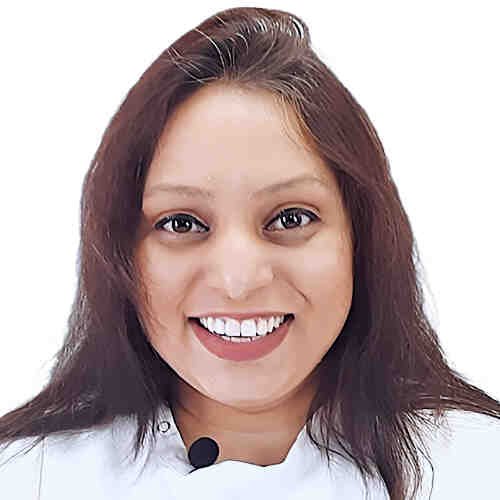
Dr. Jyoti Singh (MDS), Diplomate WCOI (Japan region) Member AAID (American Association of Implant Dentistry) stands as a beacon of excellence in implantology within Delhi NCR region. She is a BDS and MDS(Prostho) both from Maulana Azad Institute of Dental Sciences, where she secured top honors with all India rank 1 in PG entrance examination. Her extensive experience at esteemed institutions like Clove Dental and her own Center for Dental Implants & Esthetics since 2016, Dr. Singh embodies unparalleled expertise in dental implants. Boasting a wealth of 17+ years in dentistry and backed by 18 groundbreaking research papers in leading international journals (Google Scholar) and her ResearchGate profile, she epitomizes the pinnacle of proficiency and innovation in her field. She practices in Gurugram as your friendly dentist near me.