
Pain After Root Canal Treatment: What Is Normal and What Is Not
Your tooth was in pain before the procedure. Now the treatment is done — and your tooth still hurts. Is that okay? Yes, in most cases it is. Here is everything you need to know.
Why Does Your Tooth Hurt After a Root Canal?
Many patients call me worried the day after their root canal. They say — “Doctor, the pain is still there. Did something go wrong?” Most of the time, nothing has gone wrong at all.
Let me explain why. During a root canal, your dentist removes the infected pulp (the soft tissue and nerve inside your tooth). But your tooth does not exist alone. It sits inside the jaw bone, surrounded by a small ligament called the periodontal ligament — think of it like a tiny cushion between your tooth and your jawbone. This ligament gets irritated during treatment.
That irritation causes pain. It is real, it is normal, and it goes away.
Did you know? Studies show that 40 to 60% of patients experience some degree of pain or discomfort after root canal treatment. This is called “post-obturation pain” and it is well-documented in dental research. (Source: Journal of Endodontics, 2020)
What Happened Inside Your Tooth
- The dentist used tiny files to clean and shape the root canals
- These files pass through the root tip into a very small area around the tooth
- This causes minor tissue inflammation at the root tip
- Your immune system responds — and that response is felt as pain
- The filling materials placed inside also create a mild pressure sensation
Common Causes of Post-RCT Pain
- Inflamed periodontal ligament — most common reason
- Bite is too high — your tooth hits before others when you close
- Leftover infection in the bone that needs more time to heal
- Over-instrumentation — files went slightly beyond the root tip
- Incomplete treatment — rare, but possible if anatomy was complex
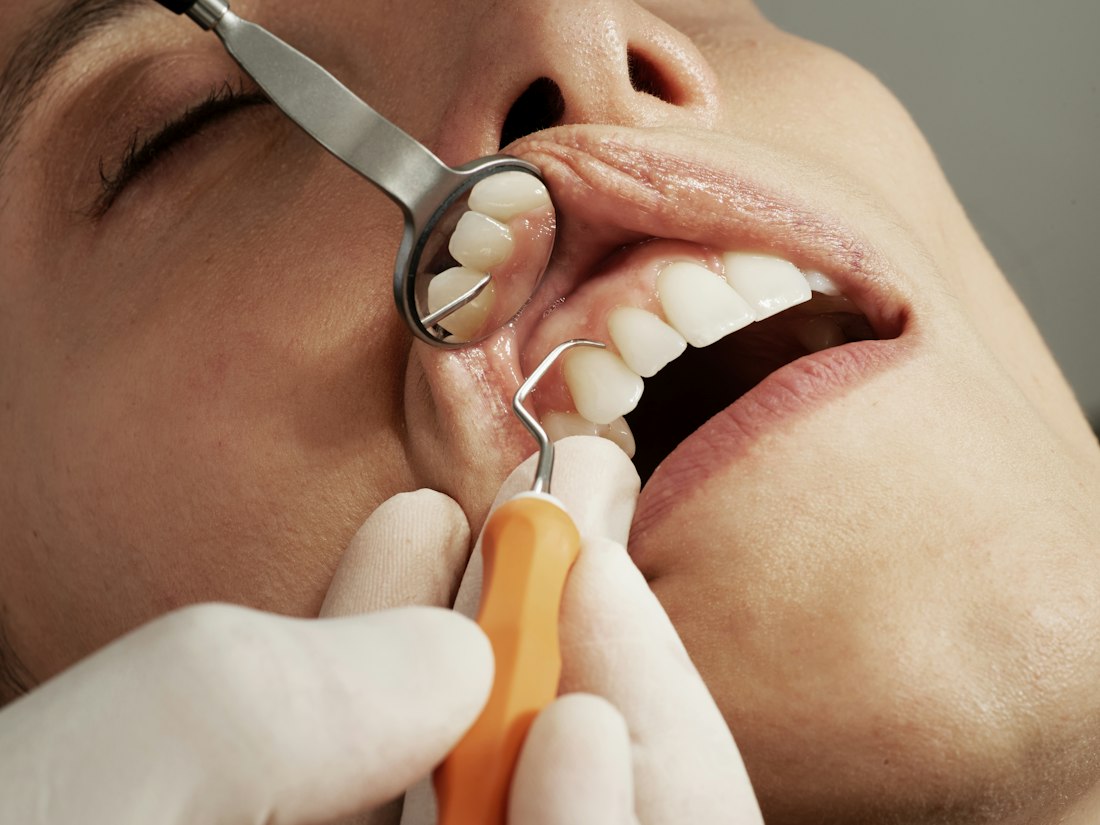
Normal Pain vs. Pain That Needs Attention
Not all pain is the same. Some pain means your body is healing. Some pain is a signal that you need to go back to the dentist. Here is how to tell the difference.
| What You Feel | What It Means | What to Do |
|---|---|---|
| Mild to moderate soreness in the tooth area | Normal healing inflammation | Take prescribed painkillers, wait |
| Pain that gets better each day | Normal recovery | Nothing — this is expected |
| Sensitivity to touch or biting down | Inflamed periodontal ligament | Eat soft food, avoid hard chewing on that side |
| Mild swelling of the gum around the tooth | Normal tissue response | Salt water rinse, monitor for 48 hours |
| Severe, worsening pain after Day 3 | Possible reinfection or flare-up | Call your dentist immediately |
| Swelling that spreads to the face or neck | Spreading infection — urgent | Go to dentist or emergency the same day |
| Fever along with tooth pain | Systemic infection — serious | Go to emergency immediately |
| Pus or discharge from around the tooth | Abscess formation | Contact dentist urgently |
“If there is pain after root canal, the treatment has failed.”
Post-treatment pain is almost always part of normal healing. Root canal success rate is 85–97% over 10 years. Pain alone does not mean failure. (Source: American Association of Endodontists)
We also have a full article on 8 myths about root canal treatment that patients often believe — worth reading if you are anxious about the procedure.
Day-by-Day: What to Expect After Root Canal Treatment
Every patient is different. But in my experience at Center for Dental Implants & Esthetics, here is what most patients feel over the first week after treatment.
Hours 1–6: Numbness Wears Off
The local anesthesia is still working. You may feel nothing right now. As it wears off — usually 2 to 4 hours after the procedure — a dull ache or soreness begins. This is expected.
Day 1–2: Peak Discomfort
This is often the most uncomfortable period. The tooth may feel sore to touch and biting down can feel painful. Pain is usually manageable with over-the-counter painkillers like Ibuprofen or what your dentist has prescribed. Do not skip your medication during this phase.
Day 3–4: Should Start Improving
Pain should begin to reduce noticeably. If pain is the same or worse on Day 3, that is the time to call us. Do not wait to see if it gets better on its own.
Day 5–7: Most Patients Feel Much Better
By the end of the first week, most patients report significant relief. The tooth may still feel slightly tender to heavy pressure but day-to-day eating should feel comfortable.
Week 2–4: Full Recovery
Any remaining sensitivity resolves. This is also the time to get your crown placed on the tooth. A root-canal-treated tooth without a crown is at high risk of fracture. Do not delay the crown — read why in our guide on why a crown after root canal is a must.
Important: The timeline above is for a single-visit or two-visit root canal on a tooth with a manageable infection. If your tooth had a large abscess or complex root anatomy, healing may take longer. In my clinical experience, some teeth with chronic infections take 4 to 6 weeks to feel fully comfortable.
How to Manage Pain After Root Canal Treatment
There are some simple things you can do at home to feel better faster. These are dentist-approved tips — not just general advice.
Take Medication on Time
Do not wait for the pain to become severe. Take your prescribed painkiller at regular intervals for the first 48 hours. Ibuprofen (400–600 mg with food) works better than paracetamol for dental inflammation — but always follow what your dentist has prescribed.
Rinse With Warm Salt Water
Mix half a teaspoon of salt in a glass of warm water. Rinse gently for 30 seconds, 2 to 3 times a day. This reduces inflammation, kills surface bacteria, and helps the gum tissue around the tooth heal faster.
Avoid Chewing on That Side
The tooth is temporarily sealed with a filling after the root canal. Chewing hard food on that side before you get your permanent crown can crack the tooth. Stick to soft foods — rice, dal, curd, soft roti, boiled vegetables.
Elevate Your Head While Sleeping
Lying flat increases blood pressure in your head, which can increase throbbing pain at night. Use an extra pillow to keep your head slightly elevated for the first couple of nights.
Avoid Very Hot or Cold Food
Even after the nerve is removed, the tooth can still transmit temperature sensation through the root tip and surrounding tissues. Avoid extremes for the first week. Room temperature food is best.
Do Not Skip Follow-Up
Your dentist asked you to come back — either for a second sitting, to check the healing, or to place the crown. This appointment is not optional. Skipping it is the biggest mistake patients make after root canal treatment.
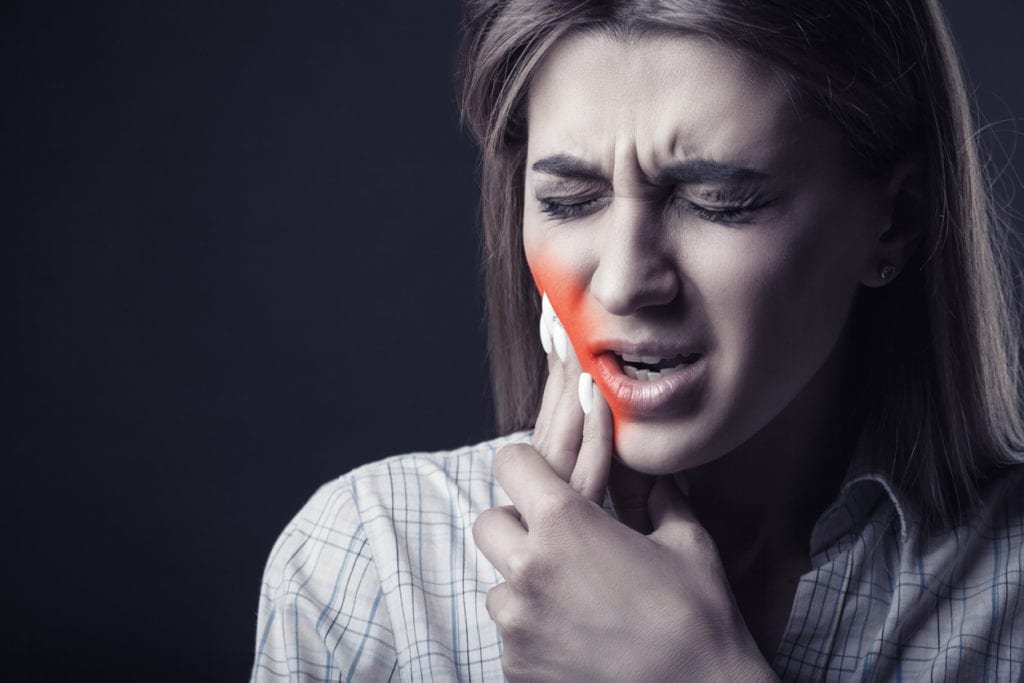
What You Should Avoid
- Smoking — it delays healing significantly and increases risk of reinfection
- Alcohol — especially if you are on antibiotics or painkillers
- Hard, crunchy food like chips, nuts, hard toast on the treated side
- Poking or pressing the area with your tongue or finger
- Skipping antibiotic course if prescribed — finish the full course
For more home tips, you can also read our guide on dentist-suggested home remedies for tooth pain.
Red Flags — When Something Has Gone Wrong
These symptoms are not normal. If you notice any of these, do not wait. Contact us or visit the clinic the same day.
Seek immediate care if you notice: Swelling spreading to your cheek, jaw, or neck. Difficulty breathing or swallowing. High fever (above 38.5°C). Pus or foul discharge from around the tooth. Severe pain that does not respond to painkillers at all.
Why These Happen
In rare cases, the infection is more aggressive than the X-ray showed. Sometimes the root anatomy is very complex — curved roots, extra canals — and complete cleaning is difficult. This is called a flare-up, and it happens in about 1 to 5% of root canal cases.
At Center for Dental Implants & Esthetics, we use CBCT 3D imaging before complex root canal cases to map the root anatomy precisely. This reduces the risk of incomplete treatment significantly.
What We Do When This Happens
- Drain any abscess if present
- Prescribe stronger antibiotics
- Reopen the tooth to clean the canals again
- If the case needs specialist care — refer to a root canal specialist (Endodontist)
- In rare cases, an apicoectomy (minor surgical procedure) may be needed to remove the infected root tip
A note on “failed root canal”: Sometimes a root canal that seemed fine years ago begins hurting again. This usually means bacteria re-entered through a cracked crown or recurrent decay. This does not always mean you lose the tooth. A re-root canal treatment (RCRCT) can often save the tooth. Read about this in detail: why re-root canal treatment may be needed.
When Should You Call Your Dentist After Root Canal?
Many patients are confused — they do not want to bother the dentist unnecessarily, but they also do not want to ignore a real problem. Use this simple guide.
| Situation | Day It Happens | Action |
|---|---|---|
| Mild soreness, manageable with medication | Day 1–4 | Normal — no need to call |
| Pain that is same or worse after Day 3 | Day 3+ | Call your dentist |
| Swelling that appears or grows | Any day | Call immediately or visit same day |
| Temporary filling falls out | Any day | Call and get it replaced within 24–48 hrs |
| Bite feels very high — like one tooth hits first | Day 1–7 | Call — bite adjustment needed, quick fix |
| Fever, difficulty swallowing, spreading swelling | Any day | Emergency — go to clinic or hospital now |
At Center for Dental Implants & Esthetics, both our clinics in Gurgaon are reachable by WhatsApp. You can send us a message with a photo if you are unsure — we will guide you on whether you need to come in or can wait.
You can also read about signs of a failed root canal treatment to better understand when treatment has truly not worked versus when it is simply healing.
What About a Root Canal That Never Healed?
If your tooth still hurts months after the root canal — not weeks — that is a different story. The tooth may need to be re-evaluated. Options include re-root canal treatment, apicoectomy, or in cases where the tooth cannot be saved, a dental implant to replace it. But always — always — try to save the tooth first.
A note from Dr. Jyoti Singh, MDS, Center for Dental Implants & Esthetics, Gurgaon:
“In my 17+ years of practice and having done over hundreds of root canal procedures, I can tell you with confidence — pain after root canal is almost always temporary and manageable. The fear of this pain is often far worse than the pain itself. What worries me more is when patients stop their medications early, skip follow-up, or delay getting the crown placed. That is when teeth get damaged or lost. The root canal saves the tooth. The crown protects it. Both together — that is how we keep your natural tooth for life.”
Dr. Jyoti is sn MDS studied at Maulana Azad Institute of Dental Sciences (MAIDS), New Delhi. Read more about Dr. Jyoti
Frequently Asked Questions About Pain After Root Canal
Mild to moderate pain for 2 to 3 days after root canal treatment is completely normal. It is caused by inflammation of the tissues around the root tip. Most patients feel significant improvement by Day 3 to 4. If pain is getting worse after Day 3, or has not improved at all by Day 5, you should contact your dentist. Pain that lasts more than a week without any improvement needs evaluation.
Yes — this is one of the most common complaints after root canal treatment. The periodontal ligament (the tiny cushion around the root) gets inflamed during the procedure. This makes the tooth sensitive when you bite down or press on it. It usually resolves within 5 to 7 days. Avoid chewing on that side and eat soft food until the sensitivity settles down.
When you lie flat, blood pressure in your head increases slightly — this increases the throbbing sensation in an inflamed area. Also, at night there are no distractions, so you feel the pain more. Try sleeping with your head elevated on an extra pillow. Take your painkiller 30 minutes before bedtime so it works through the night. If nighttime pain is very severe and not responding to medication, call your dentist.
Yes, it is possible to feel referred pain — where the soreness seems to come from nearby teeth or the jaw — for a day or two. This is because the nerves in this area are interconnected. However, if the jaw pain is severe, involves the jaw joint, or is accompanied by swelling, you should visit your dentist. It could be that the bite needs adjustment, or in rare cases, that the infection has spread.
A slight sensation from the temporary filling is normal. It may feel a little different in your bite. However, if the temporary filling has fallen out — even partially — call your dentist within 24 to 48 hours. The canals inside are sealed from below, but an exposed tooth can get contaminated with bacteria if the filling is missing for too long. Do not let more than 2 days pass without getting it replaced.
Mild swelling of the gum around the tooth for 24 to 48 hours is not uncommon after a root canal, especially if the tooth had a large infection. Gentle salt water rinses help. However, if the swelling is increasing after 48 hours, or if it spreads to your cheek, face, or neck — that is a warning sign. Contact your dentist immediately. Spreading swelling can mean the infection is not controlled and needs urgent attention.
After root canal, a temporary filling is placed inside the tooth. Sometimes this filling is very slightly higher than the surrounding teeth. This means that tooth hits first every time you bite — causing pain and soreness. This is easily fixed with a quick bite adjustment at the clinic. Do not ignore this — a high bite that goes uncorrected for days can actually worsen the pain significantly. Call your dentist and they will adjust it in 5 minutes.
Yes — in most cases your dentist will prescribe both. The antibiotic treats any remaining bacterial infection. The painkiller (usually Ibuprofen or a combination) reduces inflammation and pain. Always take Ibuprofen with food to protect your stomach. Do not stop the antibiotic midway even if you feel better — finish the full course. If you have any allergy to a specific antibiotic, tell your dentist before the procedure so an alternative is prescribed.
This depends on how large the infection was before treatment. A small infection may heal within 3 to 6 months. A larger abscess or bone lesion (called a periapical lesion or radiolucency) can take 12 to 18 months to show complete healing on an X-ray. Your dentist will take a follow-up X-ray at 6 months to monitor this healing. The good news — you usually feel much better well before the X-ray shows complete bone fill.
A root canal is considered to have failed when symptoms do not resolve over time, or when there is persistent infection or bone loss visible on X-ray even 12 to 18 months after treatment. True failure is not common — the success rate of root canal treatment is 85 to 97% over 10 years. When failure does occur, options include re-root canal treatment (RCRCT), apicoectomy (surgery to clean the root tip), or tooth extraction followed by a dental implant. Read our full page on root canal treatment alternatives for more information.
Still in Pain After Root Canal? We Are Here to Help.
If your pain is not settling or you have any concern, do not wait. Reach us directly by call or WhatsApp. We will guide you on whether you need to come in.
● Sector 51 Clinic
Center for Dental Implants & Esthetics
#166, Sector 51 (Ambedkar Chowk), Close to Artemis Hospital, Gurgaon, Haryana 122003
● Sector 74 Clinic
Center for Dental Implants & Esthetics
R1-257, 2nd Floor, M3M Cornerwalk, Sector 74, Gurugram, Haryana 122004
Patients Also Found These Helpful
Why a Crown After Root Canal Is Not Optional
Root canal-treated teeth are brittle and break easily without a crown. Understand why skipping the crown is the biggest mistake patients make — and what it costs them.
Read: Crown After Root Canal →8 Myths About Root Canal Treatment
Still worried that root canal is very painful or dangerous? Read what is myth and what is fact — based on clinical experience and research.
Read: Root Canal Myths →Signs of a Failed Root Canal Treatment
How do you know if your root canal has truly failed? Learn the signs, causes, and what your options are — including re-treatment and surgical options.
Read: Failed Root Canal Signs →This page is for informational purposes and does not replace professional consultation. If you are experiencing severe pain, swelling, or any dental emergency, please contact a qualified dental professional immediately.

Dr. Jyoti Singh (MDS), Diplomate WCOI (Japan region) Member AAID (American Association of Implant Dentistry) stands as a beacon of excellence in implantology within Delhi NCR region. She is a BDS and MDS(Prostho) both from Maulana Azad Institute of Dental Sciences, where she secured top honors with all India rank 1 in PG entrance examination. Her extensive experience at esteemed institutions like Clove Dental and her own Center for Dental Implants & Esthetics since 2016, Dr. Singh embodies unparalleled expertise in dental implants. Boasting a wealth of 17+ years in dentistry and backed by 18 groundbreaking research papers in leading international journals (Google Scholar) and her ResearchGate profile, she epitomizes the pinnacle of proficiency and innovation in her field. She practices in Gurugram as your friendly dentist near me.