Can I Get Dental Implants with Bone Loss?

Yes, You CAN Get Dental Implants with Bone Loss

Been told “not enough bone” for implants? Modern technology and advanced techniques make dental implants possible even with severe bone loss.

The Truth: A simple X-ray (OPG) isn’t enough to determine if you’re a candidate. CBCT scans reveal the real pictureβ€”and open doors to solutions you weren’t offered before.

Book Appointment CBCT Assessment

You have Low Bone – Implants Not Possible

Many dentistsβ€”trained primarily for simple casesβ€”rely on basic X-rays (OPG) and outdated protocols. When they see bone loss, the default response is often: “Get a bridge instead.”

Here’s what changes everything:

  • A 2D X-ray (OPG) shows only shadows. CBCT scans give us 3D precisionβ€”revealing bone width, density, and angles that transform “impossible” into “achievable.”
  • Modern implants like Straumann BLX have active surfaces, acid-etched designs, and cutting-edge geometry that integrate with less bone than ever before.
  • Bridges sacrifice healthy adjacent teeth. Implants preserve what you haveβ€”and we have solutions even when bone is severely compromised.

Dr. Jyoti’s Experience: “I’ve seen patients who were refused implants elsewhere walk out with fixed teeth in days. The difference? Advanced imaging, premium implant systems, and expertise in full-mouth techniques. What looks like ‘no bone’ on an OPG often reveals workable anatomy on CBCT.”

πŸ’‘ Bottom line: If you were told “no” based on an OPG alone, you deserve a second opinion with proper 3D imaging.

Understanding Your Bone Loss

Bone loss isn’t binary. The solutions available depend on severityβ€”and modern dentistry has answers for all three levels.

1

Mild Bone Loss

Slight reduction in bone height or width. Often happens shortly after tooth extraction or with mild gum disease.

Solutions: Standard implants work well. Minor bone grafting may be added during placement for optimal stability. Treatment time: 3–4 months total.

2

Moderate Bone Loss

Noticeable bone resorption. Common after years of missing teeth or chronic periodontitis. Upper molars may show sinus encroachment.

Solutions: Bone grafting or sinus lift procedures restore adequate foundation. Modern implants with enhanced surfaces perform excellently. Treatment time: 4–6 months (including healing).

3

Severe Bone Loss

Extensive atrophy. Decades of denture wear or advanced periodontal disease. This is where most dentists say “impossible.”

Solutions: All-on-4/All-on-6 (tilted implants bypass weak areas), zygomatic implants (anchor into cheekbone), or pterygoid implants. Grafting may be avoided entirely. Treatment time: Fixed teeth possible in 3–7 days.

Key insight: Severe bone loss doesn’t mean “no implants”β€”it means specialized techniques that most general practitioners don’t offer.

Why Modern Implants Work Better with Less Bone

Implant technology has evolved dramatically. What was impossible 10 years ago is routine today.

⚑

Active Surface Design

Straumann’s SLActive surface is hydrophilic (attracts bone cells). Osseointegration starts immediately after placementβ€”not weeks later like older implants.

πŸ”¬

Acid-Etched Micro-Texture

Microscopic surface roughness increases bone-to-implant contact by 40-60%. Better grip means stability even in softer bone.

🎯

Cutting-Edge Geometry

BLX implants have progressive thread design and a tapered body. They engage bone efficiently, distribute forces better, and work in narrow ridges.

πŸ’Ž

Premium Titanium Alloy

Grade 4 titanium (Straumann) or Roxolid (titanium-zirconium). Stronger material allows smaller diameter implants in tight spaces without compromising strength.

Why We Use Straumann & Nobel Biocare

These aren’t just brand namesβ€”they’re decades of research. Straumann has 60+ years of data. Nobel Biocare invented the All-on-4 protocol. Both have success rates exceeding 97% at 10 years.

Cheaper implants save money upfront but lack long-term evidence. When bone is already compromised, premium systems give you the best odds.

See detailed brand comparison β†’

The bottom line: Modern implants don’t just “fill gaps”β€”they’re engineered to succeed in challenging bone. Active surfaces, micro-geometry, and digital planning transform outcomes that were once considered impossible.
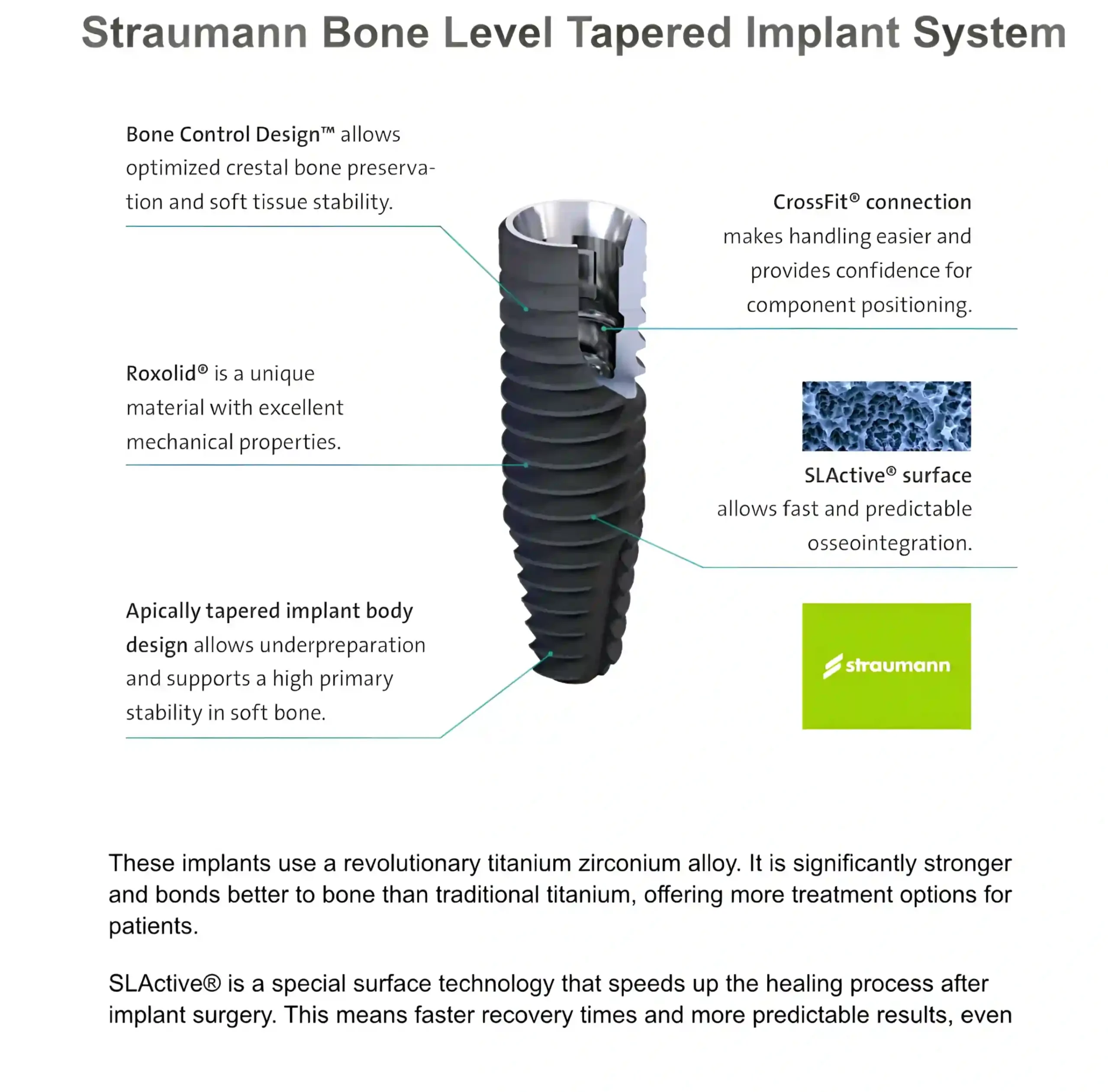
Modern implant technology

Advanced surface technology enables faster, more predictable integration

How We Actually Check: CBCT vs OPG

The difference between rejection and acceptance often comes down to one thing: the right imaging technology.

πŸ“·

OPG (2D X-ray)

A flat, two-dimensional image. Shows general tooth and jaw structure.

What It Misses:

  • Bone width (thickness)
  • Bone density quality
  • Nerve positioning accuracy
  • Sinus floor proximity

❌ Often leads to “not enough bone” diagnosis

πŸ”¬

CBCT (3D Scan)

Three-dimensional imaging with millimeter precision. Shows every angle.

What It Reveals:

  • Exact bone width and height
  • Bone density measurements
  • Precise nerve location
  • Sinus cavity dimensions
  • Hidden bone pockets

βœ… Opens doors to solutions you didn’t know existed

Why some dentists miss this: Many clinics rely solely on OPG and don’t insist on CBCT scans before diagnosis. At CDIE, we work with trusted imaging centers across Gurgaonβ€”including one right across from our Sector 51 clinic. We ensure every patient gets proper 3D imaging before planning treatment.

See our compiled list of CBCT imaging centers with costs β†’
CBCT vs OPG comparison

CBCT reveals bone anatomy invisible on traditional X-rays

Your Treatment Options: Implants with Bone Loss

Modern implantology offers multiple pathways. The right choice depends on your specific anatomy, timeline, and goals.

1

Bone Grafting

Adding bone material (synthetic or natural) to rebuild height and width. Creates a stable foundation for standard implants.

Best for: Mild to moderate bone loss, single tooth gaps
Timeline: 3-6 months healing
Success: 95%+

We use PRF (Platelet Rich Fibrin) from your own blood to accelerate healing.

2

Sinus Lift

For upper back teeth where the sinus cavity has expanded into the bone. We gently lift the sinus membrane and add bone underneath.

Best for: Upper molars with less than 4mm bone height
Timeline: Often done with implant placement
Success: 93-98%

Internal sinus lifts are minimally invasive through the implant site.

3

Ridge Expansion

When your jaw ridge is too narrow but has adequate height, we split the bone and expand it mechanically. Implant placed simultaneously.

Best for: Narrow ridges (less than 5mm width)
Timeline: 3-4 months healing
Success: 90-95%

Avoids need for block grafts or waiting months for graft healing.

4

Short & Narrow Implants

Modern implants as short as 6mm and as narrow as 3.0mm. Designed to work in limited bone without grafting.

Best for: Vertical bone loss, narrow anterior ridges
Timeline: Standard 3-4 months
Success: 95%+ (premium brands)

We only use systems with 10+ years of published research.

6

Zygomatic Implants

For severe upper jaw bone loss. Extra-long implants (30-55mm) anchor into the cheekbone (zygoma) instead of the jaw. Advanced surgery requiring specialized training.

Best for: Severe atrophy, failed grafts
Timeline: Teeth same day possible
Success: 95%+ in expert centers

Life-changing for patients deemed “hopeless cases.” Bypasses need for major grafting.

Dr. Jyoti’s Case: “A 62-year-old came to us after being told she’d need extensive grafting and 18 months of treatment. CBCT showed adequate bone at specific angles. All-on-6 upper and lower. She had fixed teeth in 5 daysβ€”no grafting needed. That was 8 years ago, and her implants are rock solid.”

🚨

Critical Warning: Basal Implants Are NOT a Safe Alternative

When you have severe bone loss, you may encounter aggressive marketing for “basal implants” or “single-piece implants” promising “teeth in 24-48 hours with no bone grafting needed.” These are NOT FDA-approved and carry serious risks.

Why These Are Dangerous:

  • Penetrate deep cortical/basal bone unnaturally
  • Cannot be removed if they fail
  • 30-40% failure rate vs 2-3% conventional
  • No long-term clinical studies
  • Banned in many countries including USA

Dr. Jyoti’s Real Case:

“A well-known Delhi doctor came to us after choosing basal implants elsewhereβ€”attracted by ‘teeth in one day’ despite being told he had insufficient bone. Within months, he developed a faulty prosthesis and severe infection. A drill bit broke in the hard basal bone during attempted repair. He had to get all basal implants surgically removedβ€”a painful, expensive process.

We performed proper CBCT imaging and successfully placed conventional All-on-4 implants. The same bone he was told was ‘not enough’ worked perfectly with proper technique. He’s been functioning well for 3 years now.”

See detailed case study with images β†’

Bottom line: If you have severe bone loss, zygomatic implants and All-on-4 are proven, safe alternatives. Basal implants are a dangerous shortcut that can leave you worse off than before.

Read: Why You Should Avoid Basal Implants β†’

How Much Do Dental Implants Cost with Bone Loss?

Cost depends on your specific situationβ€”bone loss severity, treatment chosen, and timeline. Here’s what affects your investment and what to realistically expect.

What Affects Your Treatment Cost

πŸ“Š

Bone Loss Severity

Mild loss needs minimal intervention. Severe atrophy may require advanced techniques but can sometimes skip grafting entirely (All-on-4, zygomatic).

🦴

Grafting Requirements

Additional procedures like bone grafting or sinus lifts add to timeline and cost. However, modern techniques often avoid grafting.

πŸ’Ž

Implant Brand Quality

Straumann and Nobel Biocare cost more upfront but have 97%+ success rates at 10 years. Budget brands lack long-term evidenceβ€”especially with bone loss.

πŸ”’

Number of Implants

Single tooth vs full arch changes everything. All-on-4 uses just 4-6 implants for an entire archβ€”more cost-effective than individual implants.

πŸ”¬

CBCT & Digital Planning

3D imaging and surgical guides ensure precision. Essential for bone loss cases. Quality centers include this in treatment planning.

⚑

Immediate vs Delayed

Immediate loading (teeth same day) requires premium implants and expertise. Delayed loading may cost less but takes longer.

Approximate Investment Ranges

These are broad estimates. Your exact cost depends on CBCT assessment and chosen treatment plan.

Single Tooth with Mild Bone Loss

β‚Ή40,000 – β‚Ή80,000
  • Standard implant (premium brand)
  • Minor bone grafting if needed
  • Crown and abutment

Multiple Teeth (3-4 implants)

β‚Ή1,50,000 – β‚Ή3,00,000
  • Individual implants or bridge
  • Selective grafting where needed
  • Final prosthesis

Zygomatic Implants (Severe Loss)

β‚Ή4,50,000 – β‚Ή7,00,000
  • 2-4 zygomatic implants
  • Combined with regular implants
  • No grafting needed
  • Advanced surgical expertise

Additional Procedures

β‚Ή8,000 – β‚Ή30,000
  • Bone grafting (per site)
  • Sinus lift procedures
  • Ridge expansion
  • CBCT imaging & planning

Important: These are approximate ranges based on typical cases. Your exact investment will be determined after CBCT assessment, considering your specific bone anatomy, chosen implant system, and treatment complexity.

Why the Cheapest Option Often Costs More

Budget Implants: Hidden Risks

  • Limited long-term data (5-10 year studies missing)
  • Lower success rates in compromised bone
  • May lack advanced surface technology
  • Difficult to replace if they fail
  • Components may not be available in 10 years

Premium Implants: Long-Term Value

  • 97%+ success rates at 10+ years (documented)
  • Advanced surface tech for faster integration
  • Specifically engineered for challenging bone
  • Lifetime warranty from manufacturers
  • Global availability of replacement parts

Dr. Jyoti’s Experience:

“A patient came to us after a failed budget implant (β‚Ή20,000) developed infection and mobility within 18 months. He needed surgical removal, bone grafting to repair damage, and replacement with Straumann (β‚Ή65,000). Total cost: β‚Ή85,000 plus months of pain and embarrassment. Had he chosen premium quality initially, he would have saved β‚Ή25,000 and avoided the trauma entirely. With bone loss, cutting corners on implant quality is false economy.”

Making Treatment Affordable

πŸ’³

EMI Options Available

Flexible payment plans through leading banks. Spread your investment over 6-24 months with manageable monthly installments.

πŸ“‹

Insurance Support

We assist with insurance documentation and claims where applicable. Many health policies now cover dental implants.

πŸ“¦

Package Pricing

Full arch treatments (All-on-4, All-on-6) often come with package deals including all procedures, materials, and follow-ups.

Get Your Personalized Treatment Plan & Cost Estimate

Every case is unique. Book a consultation with Dr. Jyoti Singh to understand your specific needs, see all available options, and receive an accurate cost estimate based on your bone anatomy.

Get Consultation & Cost Estimate

No obligation. Complete transparency. You’ll know exactly what you need and what it costs.

FAQ: Can I Get Dental Implants With Bone Loss?

Expert Answers from Center for Dental Implants & Esthetics, Gurgaon
  • Yes β€” most patients with bone loss can still get implants.
  • Options include bone grafting, sinus lift, ridge augmentation.
  • Severe cases: zygomatic implants or All-on-4/6 solutions.
  • CBCT-guided planning ensures predictable results.
  • Dr. Jyoti Singh routinely treats high-complexity bone loss cases.
  • Yes β€” implants are possible even with bone loss.
  • Options: grafting, sinus lift, zygomatic implants.
  • All-on-4/6 works well in severe cases.
  • CBCT used for accurate planning.
  • Single implant: β‚Ή18,000 – β‚Ή58,000.
  • Bone grafting: β‚Ή10,000 – β‚Ή40,000.
  • All-on-4: β‚Ή2.2 – β‚Ή3.5 lakh per arch.
  • Cost depends on bone volume, graft material and complexity.
  • 3D imaging (CBCT) improves safety and accuracy.
  • Implant: β‚Ή18k–₹58k.
  • Graft: β‚Ή15k–₹40k.
  • All-on-4: β‚Ή1.2–₹1.8 lakh.
  • No, not always.
  • Immediate implant placement – where extraction and implant placement is done at the same time
  • Mild bone loss: small graft or no graft.
  • Moderate bone loss: sinus lift or ridge augmentation.
  • Severe loss: zygomatic or pterygoid implants, All-on-4/6.
  • CBCT evaluation determines the exact requirement.
  • Not always.
  • Mild: may not need graft.
  • Severe: special implants like zygomatic.
  • Healing time: 3–6 months.
  • Depends on graft type and bone density.
  • Smoking slows healing significantly.
  • Proper healing ensures stronger implant stability.
  • Studies show grafted bone increases stability by 35–40%.
  • Healing: 3–6 months.
  • Better healing β†’ better implant strength.
  • Yes β€” works well even with moderate bone loss.
  • Distributes chewing forces over 8 implants.
  • May require minor grafting in select cases.
  • Cost range in Gurgaon: β‚Ή3.5 – β‚Ή7 lakh per arch.
  • Useful for long-term denture wearers.
  • Yes, All-on-8 is suitable.
  • Strong and stable option.
  • β‚Ή3.5–7 lakh per arch.
  • Mild: simple graft or none.
  • Moderate: sinus lift or ridge augmentation.
  • Severe: zygomatic, pterygoid, basal implants.
  • All-on-4/6 effective for advanced cases.
  • Success rate: 95–98% with proper planning.
  • Yes β€” treatment depends on severity.
  • Zygomatic for severe bone loss.
  • Zygomatic implants
  • Basal implants
  • Pterygoid implants
  • All-on-4 / All-on-6
  • Useful for smokers or diabetic patients
  • Zygomatic and basal implants.
  • All-on-4 / 6 avoids grafting.
  • Single implant: β‚Ή19,900 – β‚Ή50,000.
  • Full mouth: β‚Ή2.5 – β‚Ή7 lakh.
  • All-on-4: β‚Ή1.2 – β‚Ή2 lakh per arch.
  • Bone grafting adds β‚Ή15,000 – β‚Ή50,000.
  • Depends on imaging, material quality, surgeon skill.
  • Implants: β‚Ή19k–₹50k.
  • Full mouth: β‚Ή2.5–₹7 lakh.
  • Yes β€” implants act like natural tooth roots.
  • Stimulate jawbone β†’ stops bone shrinking.
  • Without teeth: up to 25–40% bone loss in one year.
  • Improves facial structure and chewing efficiency.
  • Yes β€” implants stop bone loss.
  • Missing teeth β†’ fast jawbone shrinkage.
  • Success: 95–98% with correct evaluation.
  • Higher with CBCT-guided placement.
  • Depends on bone quality and health conditions.
  • Regular maintenance improves long-term survival.
  • Success rate: 95–98%.
  • Needs proper planning and hygiene.
  • Yes β€” implants are generally safe.
  • Bone may heal slower but success is high.
  • Requires evaluation of bone density.
  • Experienced surgeons like Dr. Jyoti Singh improve outcomes.
  • Yes β€” safe with proper planning.
  • Traditional implants go into jawbone.
  • Zygomatic implants anchor into cheekbone.
  • Ideal for severe upper jaw bone loss.
  • Avoids major bone grafting surgeries.
  • Zygomatic = cheekbone support.
  • Used when jawbone is too weak.
  • Implants can last 20+ years.
  • Full-arch solutions often last a lifetime.
  • Longevity depends on hygiene and regular checkups.
  • Can last decades with good care.
  • Yes β€” possible in mild to moderate cases.
  • All-on-4 allows immediate teeth in many patients.
  • Not suitable if major grafting is needed.
  • Yes β€” depends on bone condition.
  • All-on-4 often works same day.
Related Resources & CTA

Ready to Discuss Your Treatment Options?

Schedule a consultation with Dr. Jyoti Singh for CBCT assessment and personalized treatment planning.

Book Your Consultation

πŸ“ž Call: +91 9871631066

Leave a Comment

This site uses Akismet to reduce spam. Learn how your comment data is processed.