Dental Care • Gurgaon
Tooth Wear Treatment in Gurgaon
Teeth getting shorter, flat or sensitive? Tooth wear is common, often ignored, and completely treatable when diagnosed early
Teeth are meant to last lifetime. But many people slowly lose tooth structure without realising it. This condition called tooth wear
Tooth wear usually happens without cavities and without pain in beginning. If ignored, it can damage your bite, chewing ability, and even facial appearance
What Is Tooth Wear?
Tooth wear means gradual loss of natural tooth structure. It happens slowly and often goes unnoticed until teeth start breaking or chewing becomes uncomfortable
Tooth wear can affect only few teeth or all teeth together. When many teeth involved, treatment must be carefully planned
Common Signs You Should Watch For
Shorter Teeth
Teeth looking shorter than before
Sensitivity
Pain with hot or cold food
Chipped Edges
Broken or rough tooth edges
Chewing Problem
Difficulty chewing food properly
Jaw Pain
Facial tiredness or headaches
Flat Surface
Smooth chewing surfaces on teeth
If several of these symptoms present, tooth wear is likely progressing and needs evaluation
What Causes Tooth Wear in Adults?
Tooth wear usually has more than one cause. Common reasons include:
Faulty Bite – Uneven Pressure
When teeth don’t meet properly, some teeth take more force during chewing. This extra pressure wears down those teeth faster
Many people have faulty bite without knowing it until damage becomes visible
Teeth Grinding During Sleep
Grinding teeth at night is very common. Most people don’t even know they’re doing it
Stress, anxiety, and sleep problems can make grinding worse. Your family may hear grinding sound at night
Acid Erosion from Diet
Soft drinks, lemon water, pickles and acidic foods slowly dissolve tooth surface
Acid reflux disease also brings stomach acid into mouth which damages teeth
Supari or Tobacco Chewing
Very common habit in India. Hard substances wear down teeth quickly
Also causes gum disease and increases cancer risk
Ageing with Bad Habits
Some tooth wear is natural with age. But when combined with grinding or acidic diet, wear becomes excessive
People over 40 should be extra careful about protecting their teeth
Is Tooth Wear Serious Problem?
Early tooth wear is manageable with simple treatment. Advanced tooth wear can lead to broken teeth, bite collapse, jaw pain, and facial changes
Early diagnosis helps save teeth and reduces need for complex treatment later. Prevention is always better and cheaper than cure
Early Stage
✓ Simple monitoring
✓ Habit correction
✓ Night guard protection
Late Stage
✗ Multiple crowns needed
✗ Bite correction required
✗ Higher cost and time
How We Treat Tooth Wear
Treatment depends on severity, number of teeth involved, bite condition, and your habits
Monitoring & Habit Correction
For mild cases, we track wear and help you stop harmful habits
Night Guards or Bite Splints
Custom-made guard protects teeth during grinding
Selective Tooth Reshaping
Sometimes we need to adjust bite by careful reshaping
Dental Crowns for Protection
Crowns cover and protect severely worn teeth
Bite Correction
Complete bite adjustment for long-term stability
When You Need Full Mouth Reconstruction
Full Mouth Reconstruction required when many teeth are worn, bite height reduced, chewing uncomfortable, or crowns needed across mouth
In such cases, restoring individual teeth is not enough. The entire bite must be rebuilt together for proper function
Learn About Full Mouth Reconstruction in Gurgaon →Why Bite Analysis Critical in Treatment
Teeth work as system, not individual units. Without bite analysis, crowns and fillings may fail early and you’ll need redo treatment
Proper bite planning helps avoid unnecessary root canal treatment and ensures long-term comfort. This is what separates good treatment from excellent treatment
Why Tooth Wear Is a Prosthodontist Case — Not General Dentistry
When tooth wear affects multiple teeth, the problem is not limited to individual teeth. It becomes a bite and jaw relationship problem. This is where Prosthodontics plays a critical role
A general dentist is trained to restore single teeth — fillings, single crowns, or routine procedures. But in advanced tooth wear, treating teeth one by one without understanding the bite often leads to:
This happens because the root cause is the bite, not just the visible tooth damage
Why a Prosthodontist Is Essential in Tooth Wear
A Prosthodontist is specially trained to:
Bite Analysis
Analyse bite and jaw movements in detail
Vertical Dimension
Restore lost tooth height properly
System Planning
Plan crowns across multiple teeth as one system
Conservative Care
Decide when root canal is truly required — and when it is not
Long-Term Balance
Balance function, comfort, and durability
Holistic Approach
Focus on how all teeth work together
This is why advanced tooth wear is considered a classic Full Mouth Reconstruction case when multiple teeth are involved
Treatment planning is led by Dr. Jyoti Singh, Prosthodontist with 17+ years of experience in bite rehabilitation and full-mouth cases
Patient Questions
Common Questions About Tooth Wear Treatment in Gurgaon
Honest answers to questions patients ask before starting tooth wear treatment
Look for these signs: teeth appearing shorter than before, flat chewing surfaces, sensitivity to hot or cold, chipped edges, or difficulty chewing. If family members say your teeth look different, get evaluated
Many patients in Gurgaon discover tooth wear during routine check-ups because early stages have no pain
Treatment is done under local anesthesia, so you feel no pain during procedure. After treatment, mild sensitivity for few days is normal as your bite adjusts
At our Gurgaon clinic, we focus on comfortable treatment with proper planning to avoid unnecessary procedures
Not necessarily. Root canal is needed only when tooth nerve is damaged or infected. Many worn teeth can be restored with crowns without root canal if bite is planned properly
Conservative approach means saving tooth nerve whenever possible. Proper bite analysis helps avoid unnecessary root canal treatment
Cost varies based on how many teeth need treatment and whether full mouth reconstruction is needed. Simple cases with few teeth cost less than complex full mouth cases
Exact cost discussed after clinical examination and bite analysis. Early treatment usually costs less than waiting until teeth break
Simple cases with few teeth take 2-3 weeks. Complex full mouth reconstruction cases take 2-4 months including planning, temporary crowns, bite trials and final crowns
Rushing treatment increases failure risk. Proper planning and bite adjustment take time but ensure long-lasting results
Yes. Properly done tooth wear treatment restores chewing ability and comfort. Many patients report they can eat foods they avoided for years
Bite adjustment is key part of treatment. Without proper bite, crowns may break or feel uncomfortable
Tooth wear involving multiple teeth is complex bite problem, not just damaged teeth. Prosthodontist is specially trained to analyse bite, plan treatment across entire mouth, and restore function
General dentist treats individual teeth. Prosthodontist treats how all teeth work together as system. This difference is critical in tooth wear cases
If root cause corrected and habits controlled, treatment results last long. Night guard recommended for grinders to protect crowns
Without addressing cause like grinding or faulty bite, even best treatment can fail. This is why diagnosis and planning are important
When Should You Get Evaluated?
If your teeth look shorter, feel sensitive, or chewing feels uncomfortable, early evaluation can save teeth and reduce treatment cost
Attrited Teeth Treatment in Gurgaon
Case Study (Gurgaon Patient): A Journey from Pain to a Perfect Smile
The Patient’s Struggle
Mr. Sharma (60) visited our sector 51 clinic in Gurgaon, unable to eat the foods he loved. Decades of stress and severe tooth wear had left his teeth short and sensitive.
He suffered from chronic TMJ pain because his bite had collapsed. The “vertical height” of his face had shortened, causing an uneven bite that made chewing impossible.
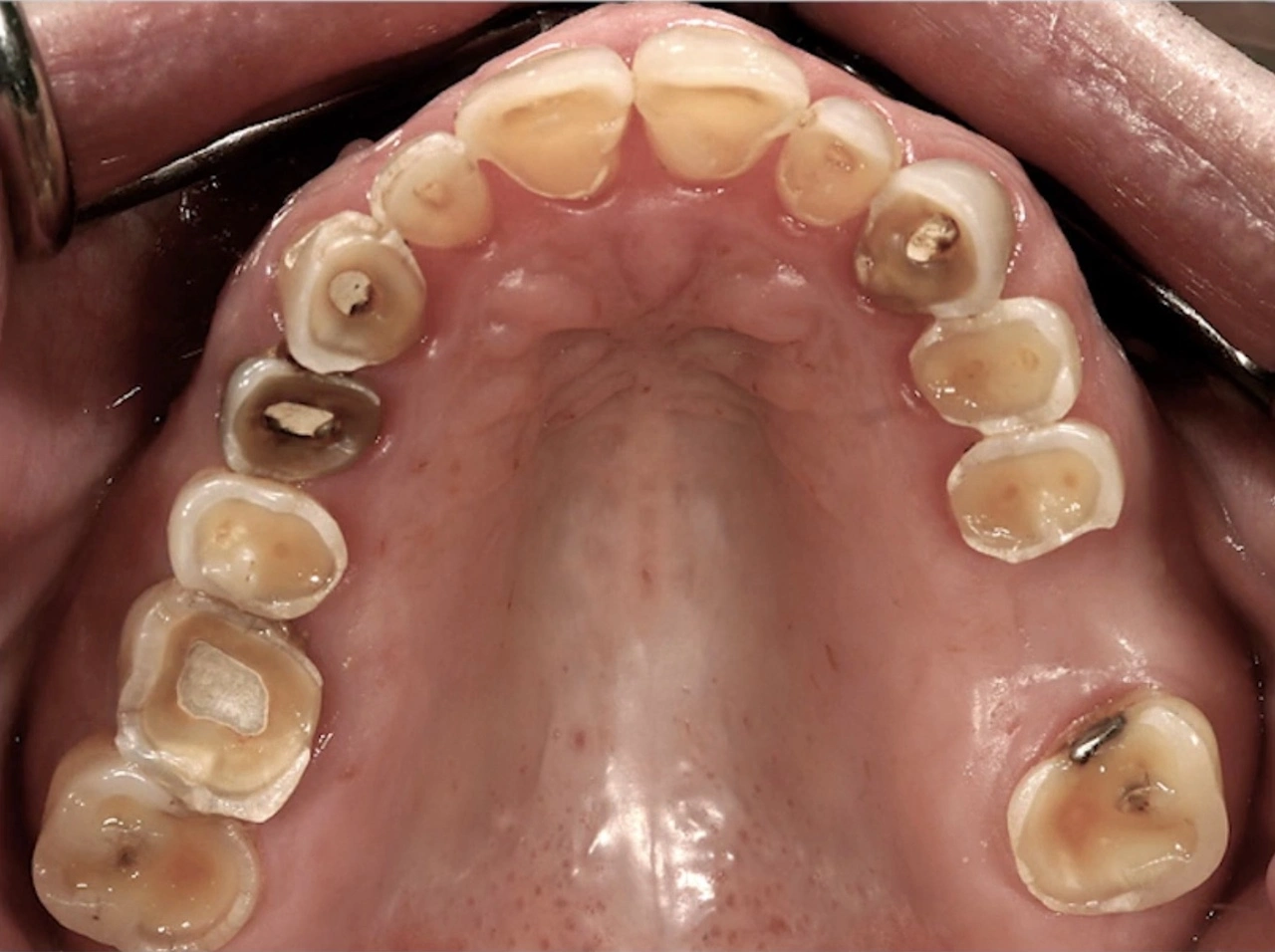
The Diagnosis: Rehabilitation Over Implants
He was previously advised to extract his teeth for Dental Implants. However, his roots were sturdy. We proposed a Full Mouth Rehabilitation.
This saved his natural teeth using Root Canal Treatment (RCT) where necessary and restoring structure with Zirconia Crowns.
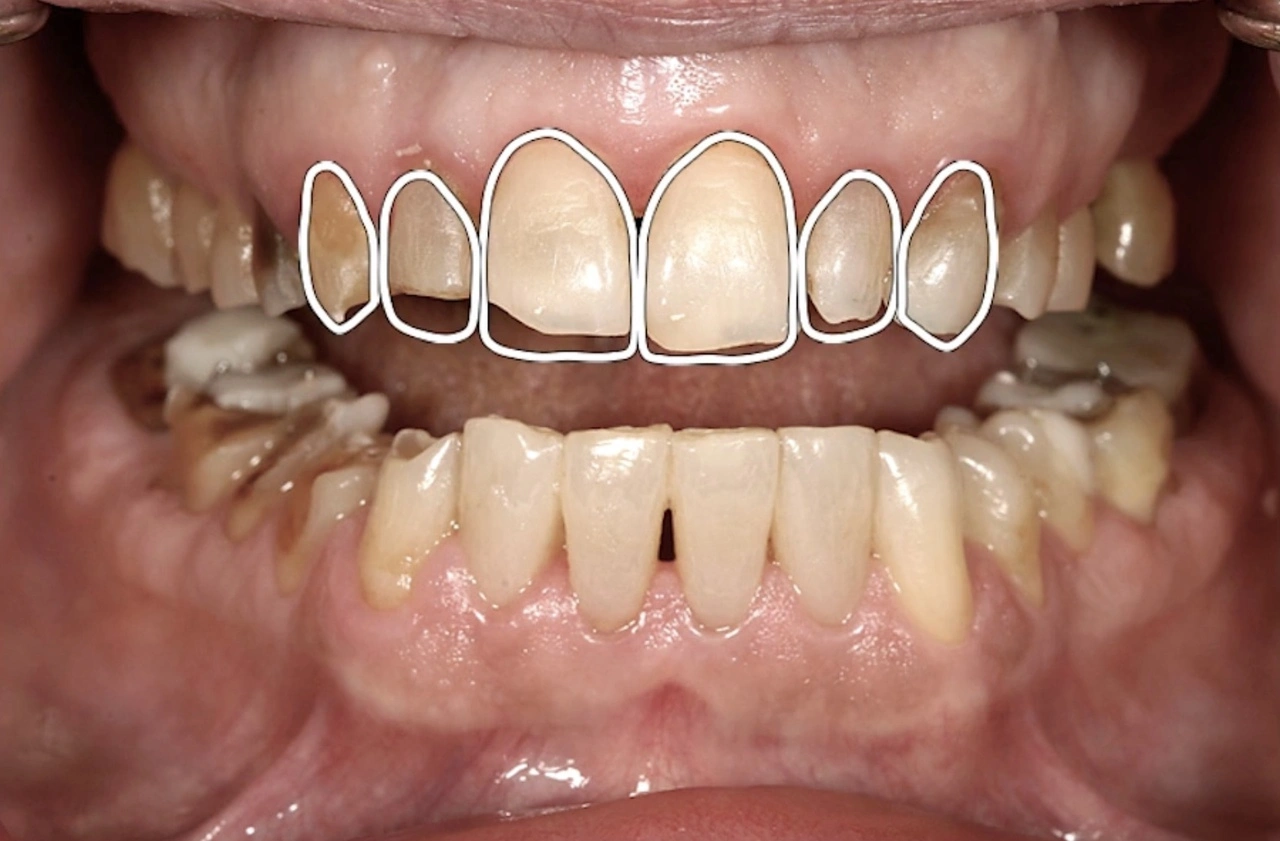
Precision Digital Planning
We utilized 3D Intraoral Scanning to map his occlusion. This allowed us to calculate exactly how much to “raise the bite” to relieve his TMJ pain.
By restoring the vertical dimension digitally first, we ensured the new jaw position would be comfortable before touching a single tooth.
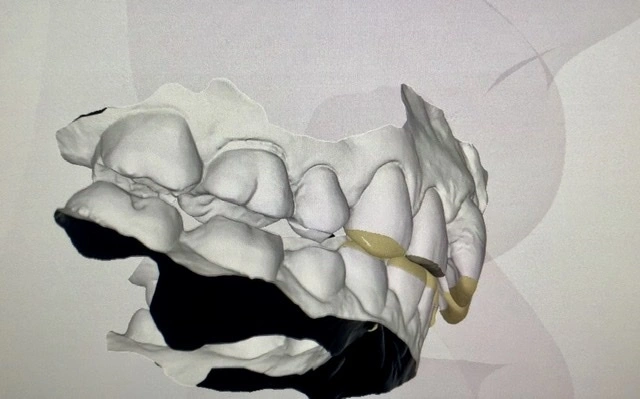
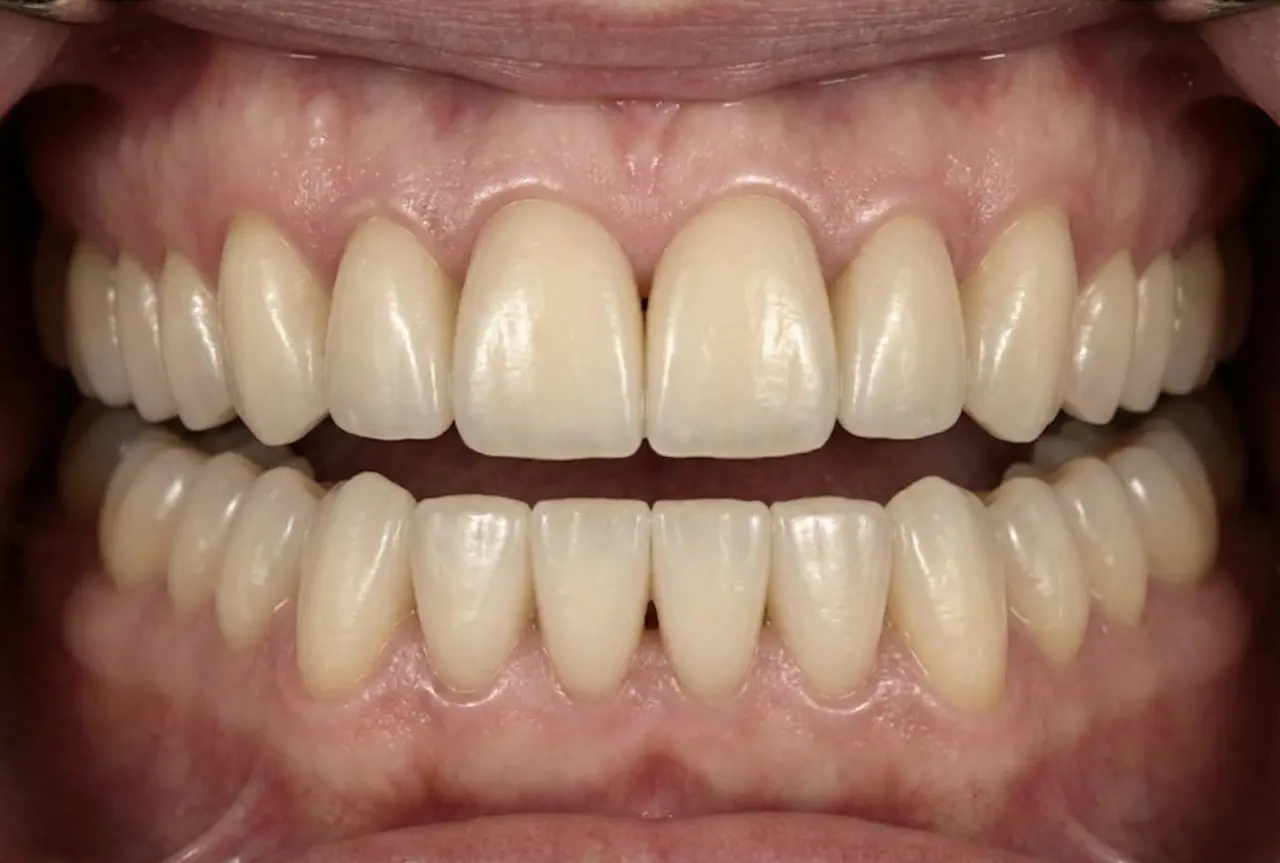
The Transformation
The patient’s “short teeth” were replaced with anatomically correct crowns. Most importantly, the uneven lower bite was corrected.
The patient reported a complete cessation of jaw pain within weeks. He can now smile and eat with full confidence.
Not every worn or sensitive tooth needs a root canal or a crown. In complex cases, the most important step is deciding which teeth need treatment and which can be safely preserved. We explain this clinical decision-making clearly in our detailed guide: How we decide RCT, crowns, or no treatment at all .